23210 V. Avenue, Dallas Center, Iowa 50063




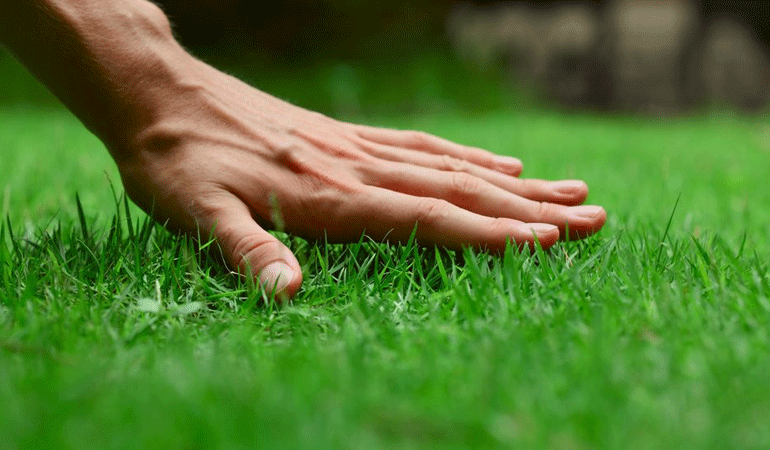
Spring fever is upon us, especially with the warmer temperatures next week. Lawn care is essential to ensure that your lawn is healthy, lush, and vibrant throughout the warmer months. Here’s a guide for spring lawn care maintenance:
1. Clean Up Debris
- Remove leaves, twigs, and other debris from the lawn to allow sunlight to reach the grass and to prevent mold or fungi growth, best to wait till late March or April.
- Rake dead grass (thatch) to improve air circulation and nutrient absorption.
2. Check for Lawn Damage
- Inspect your lawn for any winter damage, such as bare spots or areas that have suffered from heavy snow or frost.
- Reseed damaged areas or use lawn patches to fill in the gaps.
3. Aerate the Lawn
- Aerating the lawn (either with a machine or manual tool) helps alleviate soil compaction, allowing air, water, and nutrients to reach the roots more effectively.
- Aerating is especially important if you live in an area with heavy clay soil or high foot traffic.
- We recommend aerating in the fall, at minimum every other year.
4. Fertilize
- Our 6 step lawn program, we typically put the first treatment of crabgrass preventer and fertilizer down later March or early April.
5. Mow Regularly
- As the grass begins to grow, mow regularly to encourage thick growth and prevent weeds from taking over. First mow can be a little shorter to clean up yard and maybe a good idea to bag for mow of the year.
- Moving forward set your mower blade high (about 3 inches) to avoid cutting the grass too short, which can stress the lawn and promote weed growth.
- Avoid mowing in the heat of the day as you get later into spring and summer.
6. Overseed (If Necessary)
- If you have thin or sparse areas in your lawn, overseed to encourage denser grass coverage. This is best done in early spring when the soil is still moist and temperatures are mild.
- Keep in mind, the first step in lawn care, crabgrass preventer, will prevent grass seed from germinating so work with your lawn care company to ensure areas that are seeded don’t get fertilized.
7. Control Weeds
- Apply a pre-emergent herbicide to prevent weeds, such as crabgrass, from sprouting. Be sure to apply it before the weeds start germinating in early spring.
- You can also spot-treat existing weeds with a selective herbicide if necessary, but be careful not to harm the grass.
8. Water Properly
- Water your lawn deeply and infrequently, typically once or twice a week, depending on your region’s climate and rainfall. Early morning watering is ideal to reduce evaporation and disease risks.
- Avoid shallow watering, as it can lead to weak root growth.
9. Edge and Trim
- Edge around flower beds, sidewalks, and driveways for a neat appearance and to prevent grass from creeping into unwanted areas.
- Trim shrubs and bushes to allow airflow and reduce any shading over the lawn.
- Removed weeds in beds.
10. Mulching
- Consider using mulch in flower beds and around trees to retain moisture, suppress weeds, and add nutrients to the soil as it breaks down, spring is a good time to freshen mulch and typically only requires a few bags of mulch.
By following these spring lawn care practices, you’ll be setting up your lawn for a healthy, vibrant growing season! Would you like more specific tips based on your region or grass type?