23210 V. Avenue, Dallas Center, Iowa 50063




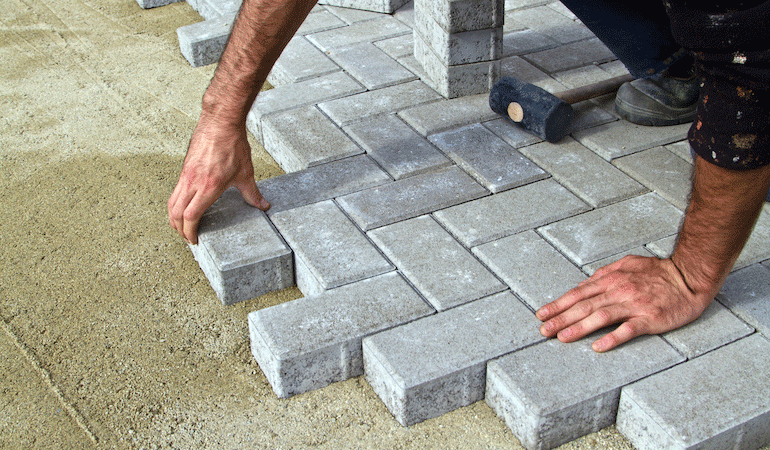
Choosing the right paver depends on several factors, such as the intended use (driveway, walkway, patio, etc.), aesthetic preferences, climate, budget, and maintenance requirements. Here are some key considerations when selecting the right paver.
1. Material Types:
- Concrete Pavers: Durable, affordable, and versatile. They come in various shapes, sizes, and colors, offering flexibility for design. The technology on concrete pavers has changed considerably over the last several years, with face paint mix, sealed, and various easy clean technology.
- Clay Brick Pavers: Known for their traditional, timeless look. They’re durable and often used for creating vintage-style patios or pathways.
- Natural Stone Pavers (e.g., Flagstone, Slate, Limestone): Provide a more natural, rustic appearance. Ideal for landscaping projects but can be more expensive.
- Permeable Pavers: These allow water to drain through, reducing runoff and improving sustainability. Ideal for eco-conscious designs.
- Porcelain Pavers: Professionals have valued the beauty and durability of porcelain tile. Easy to clean, stain and scratch resistant, and slip resistance make it a very attractive choice for any outdoor kitchen, rooftop, patio or pool deck application.
2. Purpose and Location:
- Driveways: Choose strong, durable pavers like concrete, clay, or stone. Make sure they can handle heavy loads and the wear of traffic.
- Patios: Clay, concrete, and stone pavers are popular choices for creating beautiful outdoor living spaces.
- Walkways: Depending on the style, concrete or natural stone pavers can provide both aesthetic appeal and functionality.
- Pool Areas: Use pavers that are non-slip and resistant to water absorption, like natural stone or specific concrete pavers designed for poolside use.
3. Design and Aesthetic:
- Color and Texture: Choose a color palette that complements your home and landscape. Concrete pavers come in a wide range of colors, while clay and natural stones offer more earthy tones. Pavers can be smooth or have texture to make them look like a natural stone. We often encourage homeowners to use a variety of colors and texture.
- Patterns: You can create different looks with various patterns, such as herringbone, basketweave, or running bond. The material you choose will affect the available design options.
- Styles: Pavers can come in various sized from cobblestone to larger format pavers. Today’s technology allows options for barn wood planks, flagstone, interlocking, and different finishes on pavers.
- Vendors: Some local landscape supply stores in Waukee and surrounding area, have outdoor showcases. Kings Material in Waukee has an outdoor showcase near bike path, that has the newest pavers and technology. Also Kleener Image in Grimes, Iowa also has a great show case. It is important to see the pavers in person before making a decision as the colors often look different in catalogue.
4. Climate Considerations:
- Freeze-Thaw Areas: Iowa definitely has freezing temperatures, stone and high-quality concrete pavers are generally resistant to these conditions, also imperative that you put enough gravel base under pavers. Unlike a concrete patio, pavers can move with freeze and thaw and not crack.
- Hot Climates: Light-colored pavers or those made from natural stone can help reduce heat retention and keep outdoor spaces cooler.
- Rainy Areas: If you live in a rainy area, consider permeable pavers that allow water to drain through, reducing pooling or flooding. Also if your patio is in a shady area consider sealing the pavers to reduce moss and weed growth.
5. Cost:
- Budgeting: Concrete pavers tend to be more affordable than clay or natural stone options. However, stone provides a premium look and durability that may justify the extra cost for certain applications.
- Installation: Costs can vary depending on whether you’re installing the pavers yourself or hiring a professional. Some pavers, like interlocking concrete pavers, are easier for DIY installations.
6. Maintenance:
- Some pavers (like natural stone) may require sealing to protect against staining or moss growth, especially in wet areas.
- Concrete pavers are low-maintenance, but they may fade over time, especially in high-sun areas.
- Clay pavers are generally low-maintenance, though they can be more susceptible to cracking in freezing conditions.
If you’re looking for a specific type of paver or need further advice on a particular project, feel free to ask!