23210 V. Avenue, Dallas Center, Iowa 50063




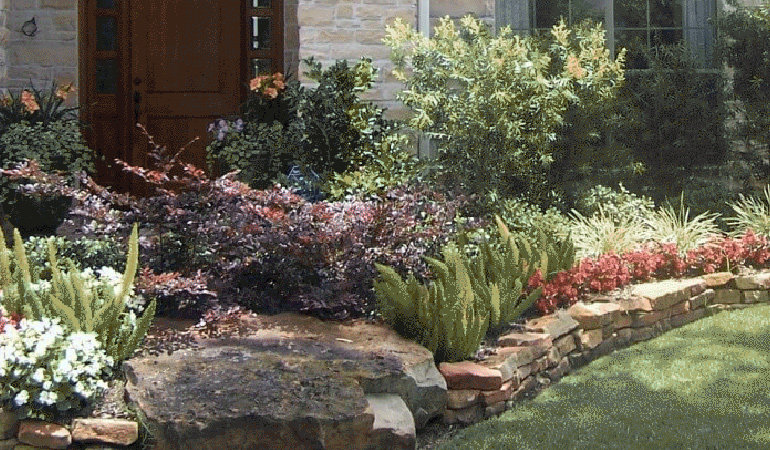
Designing a landscape bed with plants and shrubs in Iowa requires considering the local climate, soil, and growing conditions. There are many great nurseries in the Des Moines area, like Bentley Ridge Tree Farm, Timber Pine Nursery, and DMF gardens. Here’s a step-by-step guide to help you create a beautiful and sustainable landscape but remember your personal preference is always different than your neighbors and also what fits your home.
1. Know Your Hardiness Zone
Iowa is primarily in USDA Hardiness Zones 4b to 5b, so you’ll want to choose plants that can tolerate cold winters and the wide range of temperatures typical of the state. Some plants that thrive in these zones include:
- Evergreens: Colorado blue spruce, Eastern white pine, boxwood.
- Deciduous shrubs: Hydrangeas, spirea, viburnum, lilac.
- Perennials: Coneflowers, daylilies, hostas, black-eyed susans, and ornamental grasses.
- Trees: Maples, oaks, and birch trees for larger spaces.
2. Evaluate Your Site
- Sunlight: Observe how much sun your landscape bed gets during the day (full sun, partial sun, or shade). This will influence your plant choices.
- Soil: Iowa has a variety of soil types, so test your soil for pH and nutrients. Most plants prefer slightly acidic to neutral soil (pH 6-7). You may need to amend your soil with compost, organic matter, or fertilizers for optimal plant health.
- Drainage: Make sure your bed has proper drainage, as standing water can harm many plants. If the area tends to stay too wet, consider adding raised beds or mounding the soil.
3. Design Principles
- Layering: Create layers in your bed by placing taller plants (shrubs, small trees) in the back or center, medium-height plants in the middle, and shorter plants (ground covers, perennials) in the front. This will give the bed a full, natural look.
- Texture and Color: Combine plants with different textures and colors for visual interest. For example, combine soft, feathery ornamental grasses with bold, broad-leafed shrubs like hydrangeas.
- Seasonal Interest: Choose plants that provide interest in different seasons. Evergreens will give winter structure, while deciduous plants like maples will provide fall color. Perennials like coneflowers and black-eyed susans will bloom in summer.
- Grouping: Group plants in odd numbers (3, 5, or 7) to create a more natural, balanced look.
4. Plant Selection
- Evergreens for structure: These are excellent for year-round interest and can provide privacy and windbreaks. Consider adding low-maintenance evergreen shrubs like boxwoods or junipers.
- Flowering shrubs: Hydrangeas and lilacs will add beautiful blooms in summer. They also come in various sizes to fit your landscape’s needs.
- Perennials: Incorporate hardy perennials like daylilies, hostas, and black-eyed susans for long-lasting color and texture. These plants will come back every year.
- Ornamental grasses: Switchgrass, feather reed grass, and fountain grass can add movement and texture to your landscape, especially in the wind.
5. Soil and Mulching
- Use a layer of mulch (like shredded bark or wood chips) to help retain moisture, suppress weeds, and regulate soil temperature. Mulching around plants also prevents erosion during Iowa’s heavy rains.
- Make sure not to pile mulch up against plant stems or tree trunks, as this can cause rot.
6. Watering and Irrigation
- Install a drip irrigation system or soaker hoses to provide consistent watering, especially during the dry summer months. Iowa’s climate can be variable, with dry periods during the growing season.
- Water plants early in the morning to minimize evaporation and fungal issues.
7. Maintenance
- Prune plants regularly to maintain their shape and remove dead or damaged growth.
- Keep an eye on pest problems common to Iowa, such as aphids, Japanese beetles, and deer. Consider using natural repellents or planting deer-resistant varieties if deer are a problem.
Example Plant Combinations for a Landscape Bed in Iowa:
- Full Sunbed:
- Tall: Purple coneflower (Echinacea), butterfly bush (Buddleia)
- Medium: Spirea, daylilies, Black-eyed Susan (Rudbeckia)
- Low: Sedum, creeping thyme, ornamental grasses (Switchgrass)
- Shade Bed:
- Tall: Hydrangea (Panicle or Smooth), boxwood
- Medium: Hostas, astilbes
- Low: Groundcover like ajuga or pachysandra
- Mix of Sun and Shade:
- Tall: Viburnum, lilac
- Medium: Spirea, bleeding heart (Dicentra)
- Low: Creeping Jenny, hostas
By following these steps, you’ll create a landscape bed that thrives in Iowa’s climate, offering year-round beauty and a manageable upkeep schedule!