23210 V. Avenue, Dallas Center, Iowa 50063




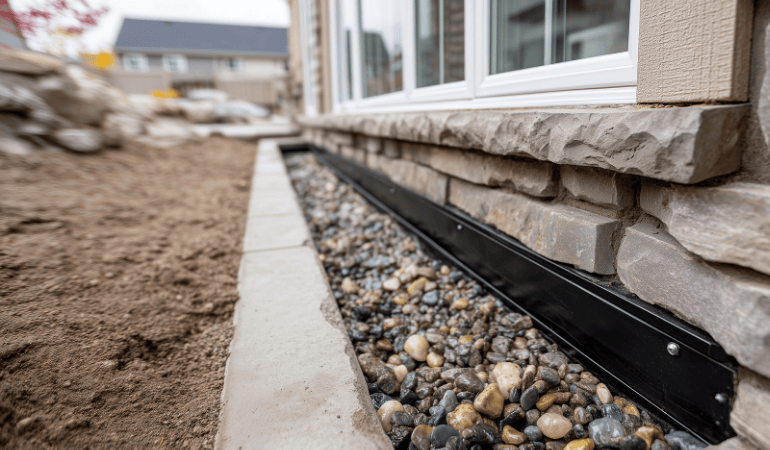
Drainage problems in Clive and Urbandale rarely announce themselves during summer. Lawns may look fine, beds may hold their shape, and water seems to disappear quickly after rain. Winter changes that. As snow melts, it reveals exactly how water moves across a property, where it collects, and which areas are quietly struggling with drainage issues.
Late winter and early spring are when many homeowners first notice standing water, soggy turf, or ice lingering in the same spots day after day. These signs are not random. They are indicators of drainage problems that become far more expensive if ignored until after spring rains arrive.
Why Snowmelt Exposes Drainage Issues Better Than Rain
Snowmelt behaves differently than rainfall. It happens slowly, often over several days, and saturates the ground evenly instead of running off quickly. Because the ground may still be partially frozen, water is forced to move across the surface rather than soak in.
This makes drainage problems easier to spot. Low areas fill first. Slopes show erosion patterns. Areas near foundations, walkways, and patios reveal how water truly flows when it has nowhere else to go.
In Clive and Urbandale neighborhoods, snowmelt often highlights drainage problems that were easy to overlook during warmer months.
Common Drainage Problems Seen During Snowmelt
As snow begins to melt, certain issues appear again and again. These are not one-off problems. They are patterns that repeat each winter and worsen over time.
Homeowners commonly notice:
- Standing water in low spots of the yard
- Soggy turf that stays wet long after snow is gone
- Water pooling near foundations or garage slabs
- Mulch washing out of beds
- Ice forming repeatedly in the same locations
Each of these is a sign that water is not moving where it should.
Why Drainage Problems Are Common in Clive and Urbandale
Many neighborhoods in Clive and Urbandale were built with grading that works well initially but changes over time. Soil settles, landscaping is added, and hardscapes redirect water in ways that weren’t part of the original design.
Contributing factors often include:
- Soil compaction from years of foot traffic and equipment
- Minor grade changes caused by settling
- Added patios, walkways, or edging
- Mature trees altering soil structure and water absorption
Drainage problems don’t usually come from one big issue. They develop gradually as small changes add up.
The Connection Between Drainage and Ice Problems
One of the most frustrating winter issues homeowners face is ice that keeps returning even when snow is gone. Drainage problems are often the reason.
When meltwater has nowhere to go, it spreads across walkways, driveways, and patios. Overnight temperature drops refreeze that water, creating slick surfaces day after day.
This is especially common:
- Near downspouts
- Along walkways next to beds
- At the base of sloped driveways
- Near retaining walls
Fixing drainage problems reduces both water buildup and recurring ice.
How Poor Drainage Affects Lawns
Lawns are often the first casualty of drainage problems. Turf that sits in saturated soil for extended periods struggles to recover once spring arrives.
Signs of drainage-related lawn damage include:
- Thinning grass
- Delayed green-up
- Muddy patches that never fully dry
- Increased weed pressure
Many homeowners mistake this for poor soil or bad seed, when the real issue is excess water.
Landscape Beds Suffer Quietly
Drainage problems don’t just affect turf. Beds often show damage through erosion, displaced mulch, and stressed plants.
Snowmelt can:
- Wash mulch into walkways
- Expose plant roots
- Compact soil around shrubs
- Create uneven bed edges
Addressing drainage early helps protect both the structure and appearance of landscape beds before spring planting begins.
Why These Problems Get Worse in Spring
Snowmelt is just the beginning. Once spring rains arrive, drainage problems become more severe. Saturated soil has less capacity to absorb additional water, which leads to increased runoff and erosion.
Problems that start small in late winter often turn into:
- Persistent puddles
- Washed-out beds
- Foundation moisture issues
- Damaged turf and plant loss
Fixing drainage issues early prevents a cycle of repeated damage.
Drainage Solutions That Actually Work
Not all drainage solutions require major construction. The key is understanding how water wants to move and guiding it away from problem areas.
Effective solutions may include:
- Minor regrading
- Swales or drainage channels
- Downspout extensions
- Permeable landscape adjustments
- Hardscape corrections that redirect runoff
The right solution depends on the specific conditions revealed by snowmelt.
Why Late Winter Is the Best Time to Address Drainage
Late winter provides a clear view of drainage behavior without the distraction of active growth. Water movement is visible, soil saturation is obvious, and problem areas stand out.
Addressing drainage problems now:
- Prevents spring damage
- Reduces lawn and plant stress
- Improves safety
- Saves money on future repairs
Waiting until summer often means working around established damage instead of preventing it.
How Professional Assessment Helps
Drainage problems are rarely solved with guesswork. A professional assessment looks at slope, soil condition, existing landscaping, and hardscape features together.
This approach helps:
- Identify the true source of the problem
- Avoid unnecessary work
- Create long-term solutions instead of temporary fixes
Professional guidance ensures drainage corrections support the entire landscape, not just one area.
Preparing Your Property for the Rest of the Season
Drainage problems in Clive and Urbandale don’t resolve on their own. Snowmelt simply reveals what’s already happening beneath the surface. Addressing these issues early sets your property up for a healthier lawn, stronger plantings, and fewer headaches as spring progresses.
Contact Escape Landscaping at 515-250-9886 or escapelandscaping1@gmail.com, or submit a request through our website if you’re seeing drainage problems on your property. Our team works throughout Clive and Urbandale to identify drainage issues early and implement solutions that protect landscapes all season long.