23210 V. Avenue, Dallas Center, Iowa 50063




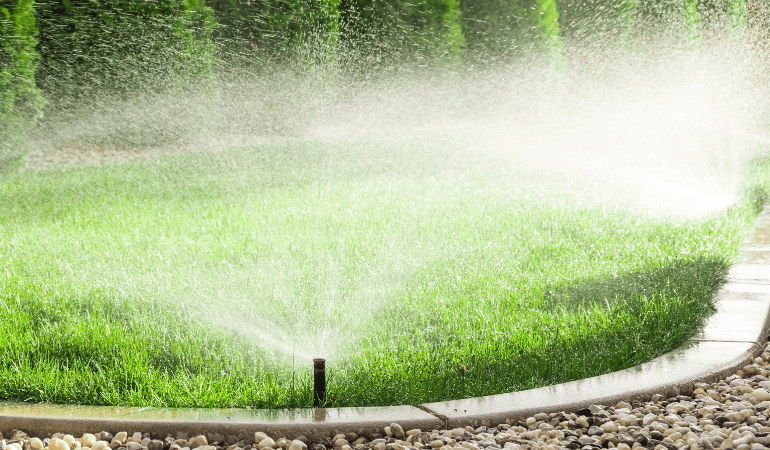
Irrigation startup in Des Moines is one of the first major steps homeowners take as spring approaches. When temperatures begin to warm and lawns start to show signs of life, it’s tempting to flip the system back on and assume everything will run as it did last year. But irrigation systems sit dormant for months, and winter conditions in Central Iowa can create subtle issues that aren’t visible until pressure is restored.
A proper irrigation startup is not just about turning water back on. It’s about protecting your system, improving water efficiency, and setting your lawn up for healthy growth throughout the season.
Why Timing Matters More Than Most Homeowners Think
One of the biggest mistakes homeowners make is starting their irrigation system based solely on a warm stretch of weather. In Des Moines, West Des Moines, Waukee, Clive, and Urbandale, late frosts are common. Even when daytime temperatures feel like spring, soil temperatures and underground conditions may still pose risks.
Starting your system too early can lead to:
- Cracked pipes if frost remains in the ground
- Damaged sprinkler heads from pressure surges
- Backflow preventer issues
- Overwatering before grass is actively growing
Waiting until consistent overnight temperatures remain above freezing ensures your system is protected and operating safely.
What Winter Can Do to an Irrigation System
Even systems that were properly winterized can experience movement and stress over the winter months. Freeze-thaw cycles shift soil, and underground pipes can move slightly as the ground expands and contracts.
During irrigation startup in Des Moines, it’s common to find:
- Tilted or buried sprinkler heads
- Leaks at valve connections
- Cracked fittings
- Broken nozzles
- Misaligned spray patterns
These issues are rarely dramatic, but they can quietly waste water and weaken lawn performance if not addressed early.
Why Professional Startup Is Different From DIY
While some homeowners choose to start their system themselves, irrigation systems operate under high pressure. Turning water on too quickly can cause damage before you even realize there’s a problem.
A professional irrigation startup includes:
- Gradual pressurization of the system
- Zone-by-zone inspection
- Leak detection
- Sprinkler head adjustment
- Controller programming review
This process reduces the risk of pipe bursts and ensures every zone is functioning correctly before the season begins.
The Importance of Backflow Testing
Backflow prevention devices protect the public water supply from contamination. In many Des Moines–area communities, backflow testing is required annually.
During irrigation startup in Des Moines, backflow devices should be inspected to confirm:
- Proper valve function
- No freeze damage
- Correct pressure levels
Skipping this step not only risks system damage but can also lead to compliance issues.
Sprinkler Head Alignment and Coverage
Over time, soil settles and turf shifts. This can cause sprinkler heads to tilt slightly or become partially buried. Even small changes affect spray coverage.
Improper alignment can result in:
- Dry patches in turf
- Water spraying onto sidewalks or driveways
- Uneven growth patterns
- Higher water bills
Spring is the ideal time to correct alignment before regular watering schedules begin.
Irrigation and Lawn Care Must Work Together
Irrigation startup should align with your broader lawn care plan. Lawns coming out of dormancy require balanced watering, not aggressive saturation.
Early-season lawn care in Des Moines often includes:
- Soil evaluation
- Fertilization timing
- Aeration planning
- Overseeding in targeted areas
An irrigation system that’s properly adjusted supports these efforts instead of working against them.
Water Efficiency and System Programming
Many irrigation systems are programmed once and rarely updated. But watering needs change based on weather patterns and seasonal transitions.
During startup, it’s smart to review:
- Run times
- Start times
- Zone duration
- Seasonal adjustments
Fine-tuning these settings improves efficiency and reduces waste throughout the summer.
Signs Your System Needs Immediate Attention
After winter, certain warning signs indicate that irrigation startup should be handled carefully.
Watch for:
- Water pooling around sprinkler heads
- Sudden drops in pressure
- Uneven turf greening
- Audible hissing or leaking underground
Addressing these signs early prevents larger repairs later in the season.
Why Early Scheduling Makes a Difference
As spring approaches, demand for irrigation startup in Des Moines increases quickly. Homeowners who schedule early benefit from:
- Flexible appointment availability
- Faster repairs if issues are discovered
- Better coordination with lawn care services
- A smoother transition into peak watering season
Waiting until temperatures are consistently warm often means competing for limited service windows.
Setting Your Lawn Up for a Strong Season
Your irrigation system directly influences lawn health. Proper startup encourages deeper root growth, better drought resistance, and more consistent turf appearance.
When done correctly, irrigation startup:
- Promotes efficient water usage
- Prevents runoff
- Reduces disease risk
- Supports healthy spring growth
The way your system starts in spring impacts how your lawn performs all summer.
A Smarter Way to Begin the Season
Irrigation startup in Des Moines should be approached intentionally, not rushed. Taking time to inspect, test, and adjust your system protects your investment and ensures your lawn receives the right amount of water at the right time.
If you’re preparing to turn your system back on, contact Escape Landscaping at 515-250-9886 or escapelandscaping1@gmail.com, or submit a request through our website to schedule professional irrigation startup. We work with homeowners throughout Des Moines, West Des Moines, Waukee, Clive, and Urbandale to ensure irrigation systems are ready for a healthy and efficient growing season.