23210 V. Avenue, Dallas Center, Iowa 50063




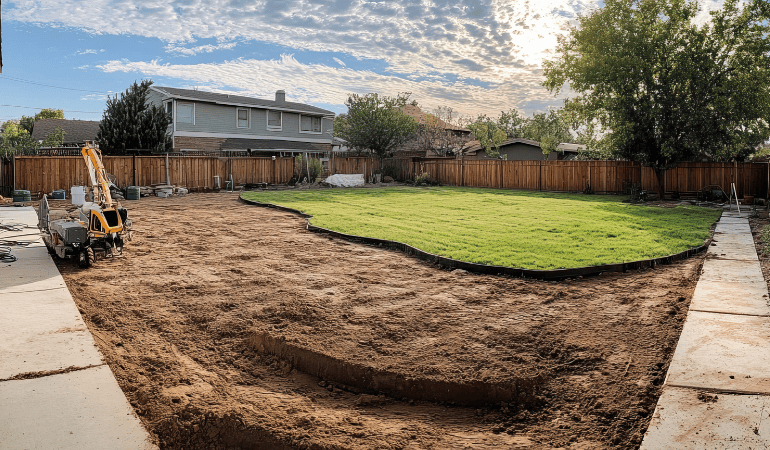
Landscape upgrades before summer are often more effective than mid-season renovations. Early spring presents a narrow but powerful window to improve structure, refresh design, and correct small issues before outdoor spaces become fully active. Once summer heat and growth accelerate, even minor projects can feel disruptive.
Homeowners throughout Waukee, West Des Moines, Clive, and Urbandale often wait until May or June to think about improvements. By then, plant material is actively growing, irrigation schedules are locked in, and outdoor entertaining is underway. Tackling upgrades earlier allows changes to settle naturally before peak use.
Why Early Season Improvements Perform Better
Landscaping functions in layers. Soil, irrigation, plant health, grading, and hardscapes all interact. Addressing upgrades before summer means each layer can be adjusted without competing with full growth.
Early upgrades allow for:
• Healthier root establishment
• Proper mulch integration
• Irrigation recalibration
• Hardscape stabilization
• Smoother turf recovery
Waiting too long often leads to working around active growth rather than improving it.
Upgrade 1 Redefining Bed Edges for Immediate Impact
One of the simplest but most noticeable landscape upgrades before summer is redefining bed lines. Over time, edges blur as turf creeps inward and mulch spreads outward.
Crisp bed edges:
• Create visual contrast
• Make plantings look intentional
• Improve mowing efficiency
• Reduce turf intrusion
This small adjustment often transforms the overall appearance of a property without adding new plants.
Upgrade 2 Refreshing Mulch Properly
Mulch refresh is often treated as a cosmetic task, but it affects plant health and soil stability.
Proper mulch application should:
• Maintain consistent depth
• Avoid piling against plant stems
• Improve moisture retention
• Reduce weed pressure
Over-mulching, however, can suffocate roots. Early spring is the right time to correct depth before summer heat intensifies soil stress.
Upgrade 3 Improving Irrigation Efficiency
Landscape upgrades before summer should always consider irrigation performance. Once irrigation startup is complete, evaluating spray coverage ensures plants receive consistent moisture.
Adjustments may include:
• Repositioning sprinkler heads
• Updating controller settings
• Adjusting zone duration
• Correcting overspray
Small irrigation refinements protect new plantings and reduce water waste.
Upgrade 4 Adding Seasonal Color Strategically
Seasonal plant additions are most effective when placed intentionally. Rather than scattering color randomly, focus on high-visibility areas:
• Entryways
• Walkways
• Patio perimeters
• Mailbox beds
Adding structured color near focal points enhances curb appeal without overwhelming the design.
Upgrade 5 Addressing Minor Hardscape Shifts
Freeze-thaw cycles often cause subtle movement in pavers or edging. Before summer gatherings begin, correcting these shifts improves both safety and aesthetics.
Common early-season corrections include:
• Resetting uneven pavers
• Filling joint gaps
• Stabilizing stepping stones
• Reinforcing edging
These adjustments prevent further movement under heavier summer use.
Upgrade 6 Correcting Drainage Before Heavy Rain
As snow melts, minor grading issues become visible. Addressing drainage before summer storms prevents erosion and plant stress.
Solutions may involve:
• Minor regrading
• Downspout extensions
• Swale shaping
• Soil amendment
Handling these early protects turf and beds from seasonal damage.
Upgrade 7 Lighting Enhancements
Landscape lighting is often overlooked until summer entertaining begins. Early-season installation or adjustment allows wiring and fixtures to settle naturally before heavy outdoor activity.
Strategic lighting upgrades can:
• Improve safety
• Highlight architectural features
• Extend usability of outdoor spaces
• Enhance overall property value
Lighting adjustments are easiest before full plant growth returns.
Why Small Upgrades Deliver Long-Term Value
Landscape upgrades before summer do not require full redesigns. Often, incremental improvements each spring produce the most consistent results.
Benefits include:
• Increased curb appeal
• Stronger plant health
• Reduced maintenance
• Higher property value
• Improved water efficiency
Strategic upgrades build upon previous seasons rather than starting over each year.
Coordinating Lawn Care With Landscaping
Lawn treatments and landscaping upgrades should complement each other. Aeration, fertilization, and irrigation adjustments all influence plant performance in surrounding beds.
Coordinated scheduling ensures:
• Turf does not compete with new plantings
• Water distribution remains balanced
• Soil health improves across the property
Integration is what separates average landscaping from professional results.
Why Waiting Until Summer Limits Options
By mid-summer, heat stress and irrigation demands make upgrades more difficult. Plant installations require more frequent watering. Hardscape work disrupts active outdoor use. Lawn recovery slows under higher temperatures.
Handling upgrades before summer:
• Reduces plant stress
• Improves scheduling flexibility
• Minimizes disruption
• Creates a smoother seasonal transition
This timing advantage is often overlooked.
A Strategic Approach to Seasonal Improvement
Landscape upgrades before summer are about preparation, not reaction. When adjustments are made early, properties feel intentional and cohesive rather than patched together mid-season.
Whether refreshing bed lines, adjusting irrigation, correcting drainage, or enhancing lighting, thoughtful improvements now prevent larger projects later.
If you are considering landscape upgrades before summer, contact Escape Landscaping at 515-250-9886 or escapelandscaping1@gmail.com, or submit a request through our website. We work throughout Waukee, West Des Moines, Clive, and Urbandale to coordinate irrigation, lawn care, and landscaping improvements into one cohesive seasonal plan.