23210 V. Avenue, Dallas Center, Iowa 50063




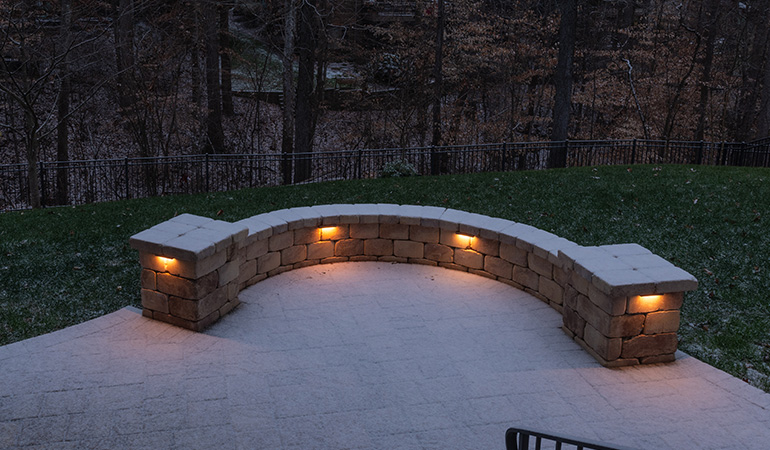
Winter can be one of the most damaging seasons for outdoor hardscapes. When temperatures drop below freezing, moisture seeps into the smallest cracks and expands, causing pavers to shift, retaining walls to loosen, and concrete to crack. Patios, walkways, driveways, and outdoor living spaces are long-term investments, and protecting them with proper hardscape winter maintenance ensures they remain strong, safe, and attractive for years to come.
Whether you own a home or manage a commercial property, understanding how to prepare and maintain your hardscapes before and during winter is critical. With the right preventative steps, you can avoid costly repairs in spring and extend the lifespan of your outdoor spaces.
Why Winter Damages Hardscapes
Hardscape materials such as pavers, natural stone, and concrete are porous. When water enters the surface and freezes, it expands and puts pressure on the material. This freeze-thaw cycle is the most common cause of surface cracking and shifting. In addition, ice buildup on walkways and parking areas increases slip hazards, while snow removal with improper tools can scratch or chip surfaces.
Our winter maintenance approach focuses on preventing water penetration, maintaining structural stability, and protecting surfaces from mechanical damage.
Inspect and Seal Surfaces Before Freezing Temperatures
One of the most effective ways to protect hardscapes is to apply a professional-grade sealer. Sealants act as a barrier that prevents water and snowmelt from soaking into pavers or concrete. For best results, sealing should be completed in fall, after the surface is cleaned and before temperatures drop below freezing.
Sealing benefits include
- Preventing cracks caused by water expansion
- Reducing surface staining from snowmelt and salt
- Enhancing color and appearance of pavers and stone
- Protecting against frost heave and shifting
Proper Drainage Is Essential
Poor drainage allows water to collect around patios, driveways, or retaining walls, increasing the likelihood of ice formation and structural damage. Before winter, we check drainage systems to ensure water flows away from all hardscapes. If water pools or runs toward a structure, it must be corrected to prevent frost damage.
Improving drainage may include adding channel drains, adjusting grading, or installing underground piping to move water away from key areas.
Use the Right Snow Removal Tools
Not all snow removal methods are safe for hardscapes. Metal shovels and unprotected plow blades can scratch, chip, or dislodge pavers and concrete. Instead, we recommend plastic shovels or plow blades fitted with rubber edges to prevent surface damage. For commercial lots and walkways, we use specialized equipment designed for hardscapes to ensure safe clearing without causing wear.
Avoid Harsh Deicing Products
Traditional rock salt (sodium chloride) can deteriorate concrete and harm surrounding plants. It can also seep into paver joints and damage the polymeric sand that holds them in place.
Safer alternatives include
- Calcium magnesium acetate (CMA)
- Magnesium chloride
- Commercial ice melts labeled as safe for concrete and stone
These products melt ice effectively while protecting the hardscape surface and surrounding landscape.
Protect Retaining Walls from Winter Pressure
Retaining walls are especially vulnerable to shifting during winter due to expanding groundwater behind the wall. If the wall does not have proper drainage, ice can build pressure and push stones or blocks out of alignment. During winterization, we inspect weep holes and drainage systems to ensure water can escape, reducing stress on the wall.
Keep Hardscape Surfaces Clear of Debris
Debris such as leaves, soil, or mulch can trap moisture against the surface, leading to staining and ice buildup. Clearing hardscapes before winter ensures that melting snow drains properly. Clean surfaces also allow protective sealants and treatments to bond effectively.
Maintain Joint Integrity in Paver Systems
Paver patios and walkways rely on joint sand or polymeric sand to lock each stone in place. Over time, sand can be eroded by rain or sweeping. Before winter, adding joint sand helps maintain stability and prevents shifting during freeze-thaw cycles. This is especially important for commercial walkways and high-traffic areas.
Schedule Repairs Before Winter
Small cracks or loose pavers may seem insignificant, but once moisture freezes in these areas, they can quickly become major problems. Repairing minor issues in fall prevents major structural repairs in spring.
Our maintenance services include
- Replacing sunken or uneven pavers
- Repairing mortar joints in stone walls
- Filling cracks in concrete
- Resetting loose hardscape elements
Benefits of Professional Hardscape Maintenance
A proactive approach reduces long-term repair costs, prevents accidents, and keeps your property attractive year-round. Commercial properties benefit from improved safety for customers and reduced liability risk. Homeowners enjoy peace of mind knowing their investments are protected.
By preparing hardscapes before winter arrives, you protect against damage and ensure a smooth transition into spring without dealing with costly restoration projects.
Contact Escape Landscaping at 515-250-9886 or escapelandscaping1@gmail.com, or submit a request through our website to schedule hardscape winter maintenance. Our team will assess your outdoor surfaces, recommend preventative treatments, and ensure your property is protected all season long.