23210 V. Avenue, Dallas Center, Iowa 50063




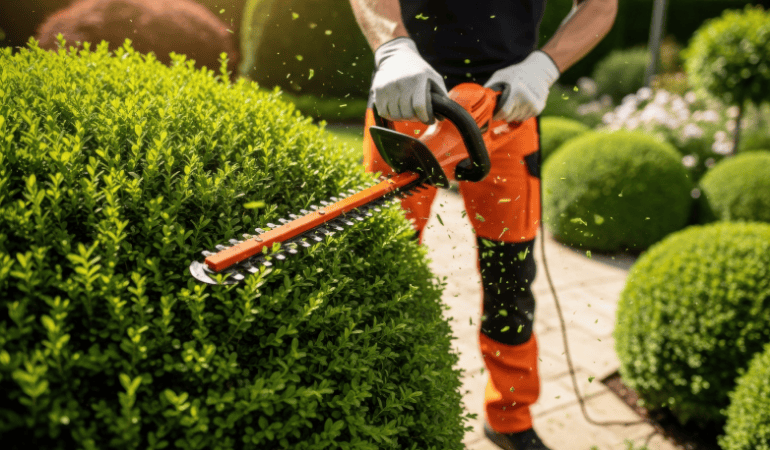
Spring landscaping in West Des Moines is most successful when it’s approached with a plan rather than a series of random projects. As snow melts and properties become visible again, many homeowners feel the urge to tackle everything at once. Beds look uneven. Edges are blurred. Turf is patchy. Irrigation systems are still off. Hardscapes may have shifted slightly.
Instead of rushing, a structured 30 day reset plan ensures that each step supports the next. Landscaping is layered. Timing and sequencing matter.
Below is a practical framework that prepares your property properly before summer growth accelerates.
Week 1 Clear Evaluate and Reset the Foundation
The first week of spring landscaping in West Des Moines should focus on visibility and evaluation. Before installing new plants or refreshing mulch, you need to clearly see what winter left behind.
Start with:
• Removing winter debris from beds and turf
• Lightly redefining bed edges
• Inspecting for drainage issues revealed by snowmelt
• Identifying damaged shrubs or perennials
This stage is not about beautification. It is about understanding the condition of your property.
Many homeowners skip this step and begin mulching immediately. Without evaluation, you risk covering problems instead of correcting them.
Week 2 Address Irrigation and Lawn Coordination
Landscaping and irrigation should never operate independently. During the second week, systems should be evaluated and aligned with turf recovery needs.
This includes:
• Irrigation startup inspection
• Sprinkler head alignment
• Programming adjustments for early season watering
• Lawn aeration scheduling if needed
Spring landscaping in West Des Moines works best when irrigation supports root development instead of overwhelming fragile turf.
Coordination between lawn care and landscaping creates stronger overall results.
Week 3 Refresh Beds and Structure
Once irrigation and turf planning are underway, bed refresh can begin. This is when visible improvement starts to happen.
Focus areas typically include:
• Reshaping bed lines for cleaner definition
• Correcting soil grade around plant bases
• Adding fresh mulch at proper depth
• Pruning winter-damaged branches
This phase improves curb appeal quickly, but it should still be intentional.
Over-mulching or pruning too aggressively can stress plants during early growth. Professional oversight ensures shrubs and ornamental grasses are trimmed at the correct stage.
Week 4 Install and Upgrade Thoughtfully
By the fourth week, your property is stable enough for selective upgrades and plant installations.
This may include:
• Adding seasonal color near entry points
• Installing new shrubs to fill winter loss
• Updating landscape lighting
• Repairing minor hardscape shifts
Spring landscaping in West Des Moines during this stage feels less reactive and more strategic because foundational work has already been completed.
Installing plants too early before soil temperatures stabilize can slow root establishment. Waiting until week four allows conditions to improve.
Why Structure Matters More Than Speed
Many homeowners try to complete landscaping in a single weekend. The result is often rushed decisions and uneven outcomes.
A structured approach:
• Prevents plant stress
• Improves irrigation efficiency
• Protects soil health
• Reduces rework later in the season
Spring growth is gradual. Landscaping improvements should mirror that pace.
Drainage Corrections Before Heavy Rain
Late winter snowmelt often reveals minor grading problems. If left unresolved, spring rains can worsen erosion and wash out beds.
Week one and two are ideal for:
• Adjusting minor slopes
• Extending downspouts
• Redirecting runoff from patios
• Reinforcing bed edges
These changes are subtle but prevent repeated seasonal damage.
Hardscape Inspection Before Peak Use
Patios and walkways become central gathering areas once temperatures rise. Inspecting them during early landscaping resets ensures they are safe and level before summer.
Common issues include:
• Slightly shifted pavers
• Minor cracking
• Settling along edges
• Water pooling after melt
Addressing these during the landscaping reset phase avoids disruption during peak outdoor season.
Coordinating Landscaping With Long Term Goals
Spring landscaping in West Des Moines should not only focus on immediate appearance but also on long-term improvements.
Consider:
• Expanding beds gradually
• Replacing underperforming shrubs
• Integrating new lighting
• Improving irrigation zones for efficiency
Small strategic changes each spring build a stronger overall landscape year after year.
Residential and Commercial Applications
This 30 day reset plan works for both homeowners and commercial properties. Office parks and retail spaces benefit from phased improvements just as residential properties do.
For commercial properties, timing is especially important because foot traffic increases gradually in early spring.
Why Early Scheduling Makes a Difference
Demand for spring landscaping in West Des Moines increases rapidly once temperatures stabilize. Scheduling early ensures:
• Flexible installation windows
• Better plant availability
• Coordinated irrigation startup
• Reduced wait times
Waiting until peak season often limits options.
Setting the Tone for the Entire Growing Season
Spring landscaping is not about perfection in March. It is about preparation for growth. When irrigation, lawn care, drainage, and bed structure are aligned, properties perform better all summer.
Spring landscaping in West Des Moines sets the tone for how your outdoor space looks and functions for months to come.
If you are ready to reset your property with a structured plan, contact Escape Landscaping at 515-250-9886 or info@escapelandscaping.net, or submit a request through our website. We work throughout West Des Moines, Waukee, Clive, and Urbandale to coordinate irrigation, lawn care, and landscaping into one cohesive seasonal strategy.